Online or onsite, instructor-led live Soft Skills (also known as people skills, interpersonal skills, social skills and transferable skills) training courses demonstrate through discussion and exercises how to understand the dynamics of human relations in a business environment and how to apply Soft Skills techniques, habits and mindsets to improve relationships as well as business results, while creating a more fulfilling experience in work and life.
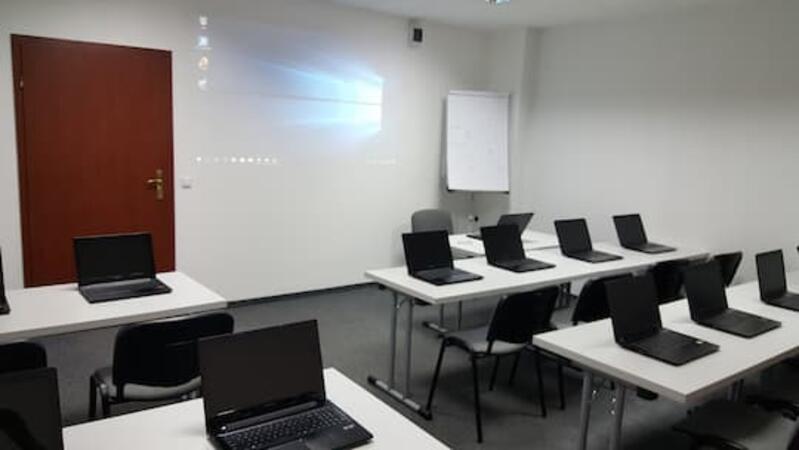
Soft Skills training is available as "online live training" or "onsite live training". Onsite live Soft Skills trainings in Cracow can be carried out locally on customer premises or in NobleProg corporate training centers.
NobleProg -- Your Local Training Provider
Kraków
Archeion, Św. Filipa 23/6, Kraków, Poland, 30-636
The training rooms are located at 23/6 Św. Filipa Street in Krakow, just 3 minutes from the main train station, near the Stary Kleparz market. Additionally, they can be reached by any public transportation line operating in the vicinity of Basztowa, Lubicz, Pawia, Matejki Square, and Długa Street, making them easily accessible for participants traveling from different parts of the city.
This instructor-led, live training in Cracow (online or onsite) is aimed at beginner-level office managers who wish to learn knowledge and skills in filing techniques and documentation management.
By the end of this training, participants will be able to:
Understand the principles of effective filing systems.
Learn techniques for managing and controlling both physical and electronic documents.
Develop skills in creating, maintaining, and archiving records.
Apply best practices for documentation management to improve organizational efficiency.
This instructor-led, live training in Cracow (online or onsite) is aimed at beginner-level professionals who wish to explore fundamental ethical theories, develop ethical decision-making skills, and understand the role of protocol in maintaining integrity and professionalism.
By the end of this training, participants will be able to:
Understand fundamental ethical theories and principles.
Develop skills for ethical decision-making.
Recognize the significance of protocol in professional settings.
Learn to navigate ethical dilemmas and conflicts of interest.
Understand the role of ethics and protocol in different industries.
This instructor-led, live training in Cracow (online or onsite) is aimed at beginner-level sales and marketing professionals who wish to leverage neuroscience in their sales practices, ultimately leading to better customer interactions and increased sales success.
By the end of this training, participants will be able to:
Understand the fundamental principles of neuroscience relevant to sales.
Learn how to apply neuroscience to improve sales techniques and customer interactions.
Develop skills to create compelling sales pitches based on neuropsychological insights.
Gain insights into customer behavior and decision-making processes.
Enhance emotional intelligence and rapport-building skills.
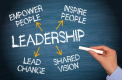
This instructor-led, live training in Cracow (online or onsite) is aimed at entry-level professionals or aspiring leaders who wish to understand the core concepts and practices of effective leadership.
By the end of this training, participants will be able to:
Understand what leadership is and how it differs from management.
Identify and develop key leadership competencies and styles.
Set meaningful goals and communicate them effectively.
Build trust and influence others through effective communication.
This instructor-led, live training in Cracow (online or onsite) is aimed at beginner-level to intermediate-level professionals and managers who wish to enhance their critical thinking, decision-making, and problem-solving capabilities in personal and professional contexts.
By the end of this training, participants will be able to:
Identify biases and logical fallacies in reasoning.
Apply critical thinking techniques to real-world scenarios.
Improve decision-making processes through structured analysis.
Enhance problem-solving strategies for complex situations.
This instructor-led, live workshop in Cracow (online or onsite) is aimed at business professionals who wish to integrate mindfulness into their work environment to boost productivity, leadership, and well-being.
By the end of this training, participants will be able to:
Understand the science and principles behind mindfulness.
Develop self-awareness to enhance decision-making and leadership skills.
Improve concentration, productivity, and emotional intelligence.
Manage workplace stress, uncertainty, and high-pressure situations.
Foster a positive and collaborative work culture.
Apply mindfulness techniques to enhance creativity and problem-solving.
This instructor-led, live training in Cracow (online or onsite) is aimed at beginner-level HR professionals and team leaders who wish to develop effective reskilling and upskilling strategies to prepare their workforce for the evolving demands of the technology sector.
By the end of this training, participants will be able to:
Learn the tools and strategies to identify skills gaps and design impactful reskilling and upskilling initiatives.
Foster a culture of continuous learning to adapt to the rapid changes in the technology sector.
Implement effective measurement and feedback mechanisms to ensure ongoing program alignment and success.
This instructor-led, live training in Cracow (online or onsite) is aimed at intermediate-level to advanced-level commercial management professionals who wish to strengthen their interpersonal and decision-making skills for improved business outcomes.
By the end of this training, participants will be able to:
Enhance customer interactions through anticipation, assertive communication, and market knowledge.
Strengthen teamwork, adaptability, and problem-solving skills.
Develop effective decision-making, disciplined execution, and delegation techniques.
Improve negotiation, innovation, and change management skills.
Stress Management & Resilience is a practical program focused on evidence-based techniques and reflective practices that help participants manage personal stressors, improve adaptability, and increase openness to change and feedback.
This instructor-led, live training (online or onsite) is aimed at beginner-level participants who wish to learn hands-on tools for managing stress, practice reflective activities, and strengthen resilience to better perform at work and support colleagues.
Upon finishing this program, participants will be able to:
Apply simple, evidence-based techniques to reduce acute stress and improve day-to-day wellbeing.
Use practical strategies to manage personal issues (health, finances, or other concerns) that affect work performance.
Practice reflective activities and experiential exercises that increase openness to change and feedback.
Create a personalised resilience action plan with concrete next steps and coping techniques.
Format of the Course
Short interactive sessions combining theory and practice.
Experiential activities, guided reflections, and brief role plays.
Action planning and short take-home practices between sessions.
Course Customization Options
Content can be adapted for different team cultures, stress triggers, or organizational contexts.
This instructor-led, live training in Cracow (online or onsite) is aimed at individuals of all levels who wish to learn and apply the principles and techniques of self time management.
By the end of this training, participants will be able to:
Identify and overcome the main barriers and challenges to effective self time management.
Set SMART (Specific, Measurable, Achievable, Relevant, and Time-bound) goals and align them with their values and vision.
Prioritize and schedule their tasks and activities using various tools and methods such as the Pareto principle, the ABC analysis, the Eisenhower matrix, and the Parkinson's law.
Monitor and track their time usage and identify and eliminate their time wasters and distractions.
Delegate and assign tasks appropriately and communicate clearly and assertively with others.
Manage their emotions and stress levels in times of uncertainty and pressure.
This instructor-led, live training in Cracow (online or onsite) is part of the Data Scientist skill set (Domain: Advisory & Leadership) and is aimed at professionals who wish to build impactful communication, problem-solving, and leadership skills to thrive in data science or analytics teams.
By the end of this training, participants will be able to:
Apply structured problem-solving and root cause analysis techniques.
Communicate insights effectively through impactful storytelling and visualization.
Lead change initiatives and influence stakeholders with confidence.
Manage data-related projects using a clear and practical framework.
This live training in Cracow (online or on-site) is aimed at leaders who want to strengthen their leadership competencies, improve team communication, and learn how to effectively delegate tasks and manage difficult situations.
By the end of this training, participants will be able to:
Recognize and develop their unique leadership style.
Communicate effectively, building authority and trust within the team.
Conduct difficult conversations and provide constructive feedback.
Delegate tasks effectively and evaluate team performance.
Manage stress and provide emotional support to team members.
Create coherent development plans for themselves and their teams.
The aim of the program is to develop skills for active management of relationships with internal clients through conscious expression of agreement ("YES") and refusal ("NO"), while simultaneously building partnership relationships based on understanding, assertiveness, and effective communication. The program is based on publications: Eric Berne "Games People Play", Martin Seligman "Learned Helplessness", and Kevin Dutton "The Wisdom of Psychopaths", which provide participants with a fuller understanding of human psychology and behavior dynamics.
Building and managing a team are key elements of the effective functioning of any organization. Team management is a dynamic process that requires flexibility and the ability to adapt to different situations and the needs of team members. It is also a continuous learning process, where it is important to listen to the team's opinions and adjust strategies to changing conditions.
This course offers a comprehensive and practical introduction to the phenomenon of burnout, one of the most pressing challenges in modern workplaces. Participants will explore the difference between stress and burnout, identify personal and professional risk factors, and learn how to recognise early signs of exhaustion — both in themselves and in others.
Through guided reflection, self-assessment tools, and group discussions, the programme encourages participants to develop awareness, resilience, and personal coping strategies. It also highlights the role of organisations and leaders in creating a supportive environment that prevents burnout and promotes psychological wellbeing.
The session combines theory, self-diagnosis, and practical exercises to ensure that every participant leaves with a clear action plan for maintaining balance and energy in their professional life.
Szkolenie przygotuje Cię do prowadzenia negocjacji ze wszystkimi interesariuszami, ze szczególnym uwzględnieniem praktycznych umiejętności z zakresu negocjacji, ukierunkowanych na współpracę. Dzięki udziałowi w szkoleniu uczestnicy uzyskają większy wpływ i kontrolę nad poszczególnymi etapami procesu negocjacyjnego. Nadrzędnym efektem szkolenia będzie efektywne prowadzenie negocjacji, których celem jest zawarcie porozumienia odpowiadającego interesom stron procesu negocjacyjnego, do wypracowania którego uczestnicy wykorzystają nabyte podczas szkolenia umiejętności interpersonalne.
Change management is a process aimed at effectively implementing change within an organization to achieve desired goals and adapt to changing environments. It requires understanding the reasons why change is necessary and identifying areas that need modification, as well as clearly defining the objectives and benefits that the change will bring. Change management is a dynamic process that demands flexibility, openness to feedback, and readiness to adjust strategies based on people's reactions and changing conditions. It is also crucial to recognize that changes are not always easy, which is why it is important to create a plan that takes into account both organizational goals and individual needs during the change process.
Staff who need to be fully prepared to deliver high quality Coaching sessions
To individual members of their own staff
To their teams
To individuals who are not directly connected to their own teams but who would value their independent – and non-judgemental - input
Format of the course
A combination of:
Facilitated Discussions
Delegate Coaching sessions – with full feedback
By the end of the course, delegates will be able to:
Define “Coaching” and explain in detail the use of Coaching to improve individual and team performance – particularly relating its use to understanding the reasons behind (and rectifying) under-performance
Stimulation and attention to employee development are key to maintaining the team's commitment and effectiveness. Talk to employees regularly to understand their professional and personal goals. Together with your employees, set development goals and a plan to achieve them. Create a mentoring program in which experienced employees help younger colleagues develop. Regularly provide constructive feedback, recognize successes and help develop areas requiring improvement. Together with the employee, define short- and long-term goals, monitor progress and modify goals if necessary. Motivate employees by rewarding achievements and contributions to the development of the team and the company. Support the development of interpersonal skills such as time management, communication and leadership. Hold regular meetings to discuss employee progress, goals and any concerns they may have. Collect employee opinions about the work environment and development opportunities. Employee development is a long-term process. Supporting their development requires an individual approach, taking into account their goals, skills and motivations. Open communication and ongoing support are key to successfully managing the development process in the workplace.
Course has been prepared as an interactive one. The participants activity takes over 80% of course time. Each session goes according to a similar dynamic, based on a method taking upon consideration Kolb’s cycle of learning: exercise opening for a new habit (consciousness building); short lectures about the techniques (knowledge) and new techniques to practice (skills and experience). After each session is completed, the participants will receive all the info related to the session.
There are short lectures concluding practical issues and explaining the basic psychological mechanisms realted with participants' work experience.
Anyone in the organization who wants to improve their competencies, (attitude, knowledge, skills) in the area of sales psychology
Salespeople and managers who want to improve their sales competencies
Sales or customer service employees who are involved in the process of b2b or b2c sales
Entrepreneurs who are in the business of selling services or products
EDUCATIONAL OBJECTIVE OF THE TRAINING:
The training prepares you to manage the sales process, with particular focusing on practical skills at all key stages of the process. Participants in the course will learn how they can influence the customer's buying process and their sales process, at the different stages of both processes. The overarching result of the of the course will be an increase in sales skills. Participants will apply the knowledge acquired during the course and qualitative gains in key interpersonal skills, to increase their effectiveness in sales.
Educational purpose of the training
You will learn modern sales models, tools and techniques to use in b2b and b2c sales processes.
You will plan an effective sales strategy, using the models you have learned, tools and techniques, and you will describe the sequence of key events in your sales process that has the greatest impact on the sales outcome.
You will raise to a higher level, the key interpersonal skills that will allow you to
You will increase your effectiveness in sales.
Benefits of attending the training
You will practice the models, tools and techniques you have learned, increasing your level of skills that have the greatest impact on your sales results.
The training will strengthen your knowledge
From the area of sales psychology
From the area of building an effective strategy and effective sales processes
From the area of managing yourself in all key sales processes, which have the greatest impact on your sales goals
The training will strengthen skills in the area of
Selecting sales models, tools and techniques appropriate to the situational context
Increasing your influence on the results achieved in sales
The ability to build values and sales arguments
The ability to select values and sales arguments that respond to the customer's needs and goals
The ability to design the sales process, to determine the activities and behaviors that have the greatest impact on the outcome, at the different stages of your sales process
The ability to select sales arguments that result in a business case and return on investment
The ability to diagnose customer needs
The ability to conduct a sales conversation, using the developed sales arguments to effectively influence the customer's buying process
The ability to manage customer objections
Training will strengthen competencies
Influencing, in the sales process, with the use of substantive arguments and business justification
Reading the context of the situation and selecting the right models, tools and techniques
Managing your actions in the main sales processes
The participants after the training
Distinguishes and understands the specific conditions of customer behavior and actions, at the
individual stages of the sales process, which allows him to effectively select adequate actions, thereby increasing his/her effectiveness in action, at the various stages of the sales process.
Leads to the finalization of the sales conversation, which guarantees the satisfaction of the the needs of both parties to the transaction.
Adopts a win-win attitude during the sale to satisfy the goals and needs of of both parties to the transaction, which influence the building of a long-term relationship with the customer
Actively listens to and understands from what the positions expressed by the customer and the customer's needs and effectively collaborates with the customer to develop an agreement win-win in the sales process
Selects adequate sales arguments to meet the needs, problems, goals business and personal interests of the customer, from which the greatest return on investment is derived for the customer
Recognizes and counteracts customer pressure and manipulation.
Effectively manages customer objections.
Increases his/her effectiveness in acting at key stages of the sales process.
Manages his actions effectively, in the main sales processes, thereby increasing its sales effectiveness.
This course is designed to enhance your ability to think strategically, equipping you with the skills to approach complex situations, avoid biases, and make well-informed decisions swiftly and accurately. Through a structured exploration of various thinking styles and the common pitfalls in strategic thinking, you will develop a comprehensive understanding of how to apply strategic thinking in your professional activities.
The "DNA of a Leader" course focuses on developing leadership skills, acquiring a leader's identity, and team awareness. Participants explore elements such as self-assessment, building authority, emotional intelligence, assertive attitude, and managing difficult situations with employees. The training also covers strategic thinking, time management, management tools, and building good team relationships.
Delegating tasks and motivating employees are key skills for effective team management. It involves understanding employees' competences, clearly defining expectations while at the same time trusting and delegating responsibility. Regularly check progress and offer constructive feedback to motivate employees: Recognize achievements: Publicly and privately recognizing employee successes strengthens motivation to continue working. Involving employees in decision-making processes gives them a sense of an important role in the company. An organizational culture that promotes respect, support and work-life balance motivates employees to perform better. Act in line with the values and expectations you set for your employees to inspire them to take action. Effective delegation of tasks and motivating employees requires flexibility, empathy and constant adaptation to the team's needs. Employee support, understanding their motivation and skill development are key elements of success in this area.
This instructor-led, live training in Cracow (online or onsite) is aimed at stressed individuals who wish to deal with their stress effectively and achieve a calmer, clearer and more energetic state in daily life.
By the end of this training, participants will be able to:
Understand the two types of stress: distress and eustress.
Articulate your personal indicators and relievers of stress.
Create a plan with specific routines to enhance calm, clarity and energy, while minimzing stress accumulated in the day.
Shift negative emotions and boost positive ones using proven techniques.
Deal with stress-causing. disempowering beliefs around work, life, and relationships.
The Ishikawa Diagram, also known as the fishbone diagram or cause-and-effect diagram, is a tool created by Kaoru Ishikawa. It is used to visually depict the potential causes of a specific event or problem, facilitating the analysis of the factors that might contribute to a particular issue. The diagram resembles the skeleton of a fish, hence the name "fishbone," and is used to identify and organize the causes of an issue systematically. It is particularly useful in product development and quality management processes, where identifying the root causes of problems is crucial. The Ishikawa Diagram helps teams brainstorm and categorize causes, such as methods, machinery, materials, manpower, and environment, to find the root cause of a quality or performance problem
The "Team Communication and Sales Negotiations" project aims to improve communication and integration within the team, leading to increased work efficiency. Using the Kirkpatrick Model, the trainer plans to bring about lasting changes in participants' behavior, which should contribute to achieving business goals. Research using the D3 tool will provide a better understanding of team dynamics. The effectiveness of the project will be evaluated based on reports after 3 and 6 months, with recommendations for further actions, involving the Client in monitoring and summarizing the project.
Cultural differences can have a significant impact on teamwork. Different cultures may prefer different communication styles, such as direct, indirect, expressive, or more evasive. This may lead to differences in the interpretation of messages. Gestures, tone of voice, and words used can have different meanings in different cultures. Something that is acceptable in one culture may be offensive in another. Different cultures may have different approaches to hierarchy in the workplace. Some cultures may be more hierarchical, where decisions are made by people higher up in the hierarchy. Cultures differ in their approach to working time and deadlines. Some cultures may value punctuality more, while others may be more flexible. Different cultures may have different approaches to conflict. Some cultures may avoid confrontation, while others may prefer open conflict resolution. In some cultures, decisions are made after consultation and team discussions, while in others decisions are made by a single leader. Different cultures have different perceptions and approaches to diversity. It is important to build awareness and respect for cultural differences in the workplace. In teamwork, it is crucial to understand and respect cultural differences. Building an atmosphere of open communication, respect and flexibility in accepting diversity can help manage cultural differences and create an effective work environment. This also opens the door to benefiting from diversity through diverse perspectives and ideas.
This instructor-led, live training in Cracow (online or onsite) is aimed at engineering leaders and engineers who wish to analyze, manage, and develop their leadership skills.
By the end of this training, participants will be able to leverage strengths, apply values, manage stress, solve problems, and build a development plan to be an effective engineering leader.
Anyone in the organization who wants to improve their competencies, (attitude, knowledge, skills) in the area of leadership and management psychology.
Managers who want to improve their competencies in leadership and management.
Entrepreneurs
EDUCATIONAL PURPOSE OF THE TRAINING:
Training, in the form of practical work workshops, aimed at training to improve skills in the area of management and leadership. The training will prepare you to manage human capital. Trainees will acquire skills in the areas of: a. management, leadership and inspiring others to action; b. motivating, building commitment, increase determination and morale; c. evaluating and developing employees; d. delegating tasks and authority; e. organizing and planning work and setting goals; f. enforcing and giving feedback.
OBJECTIVES OF ATTENDING THE TRAINING:
You will learn modern models and tools from the field of leadership and management. You will raise to a higher level, key interpersonal skills in the areas of leading people and teams and situational management.
BENEFITS OF ATTENDING THE TRAINING:
You will practice the models, tools and techniques you learned, increasing your level of skills that have the greatest impact on leading people and managing a team.
THE TRAINING WILL STRENGTHEN YOUR KNOWLEDGE: From the area of leadership and management psychology.
THE TRAINING WILL STRENGTHEN SKILLS IN THE AREA OF:
Selecting models, tools and techniques appropriate to the situational context
Leading people and managing teams.
Increasing your influence to change the actions and behaviors of your team.
The ability to build high commitment and morale in teams.
The ability to select rational and emotional arguments that increase our influence on the decision-making process of others.
The ability to diagnose the needs of others.
The ability to neutralize resistance to change.
The ability to manage emotions and stress.
TRAINING WILL STRENGTHEN COMPETENCIES:
Exerting influence, in the process of management and leadership.
Reading the context of a situation and selecting the right models, tools and techniques of situational leadership.
Managing yourself and teams in a volatile and unpredictable environment.
This instructor-led, live training in Cracow (online or onsite) is aimed at managers and executives who wish to implement the right tools, skills, and methodologies to manage remote teams.
By the end of this training, participants will be able to:
Explore remote leadership, structures, and components to successfully adapt a remote work setup.
Develop trust, goals, culture, and teamwork to create an effective and productive remote team.
Use existing tools and technologies to improve virtual communication and collaboration.
Implement goal setting and project management methods to measure the performance of a remote team.
"Taming the "Psychopath" - and Emotional Intelligence in Building Leader Consciousness" is a training addressed to managers and team leaders, aimed at developing Emotional Intelligence (IE/EQ). Participants gain the skills to recognize and effectively manage emotions, build positive relationships, and effectively deal with difficult situations. The course also includes work on your own emotional model based on Goleman's approach.
"Scrum Master I and What Next?" focuses on developing the skills of a Scrum Master beyond the traditional concept of a "jack-of-all-trades." The course emphasizes supporting the Product Owner, removing obstacles in the delivery and maintenance process, and enhancing soft skills. Areas such as self-organization, communication, teamwork effectiveness, motivation, facilitative practices, conflict management, and coaching in Scrum are prioritized, helping the Scrum Master understand and leverage the full scope of their role.
This 5-day course will help delegates develop their strategic thinking, planning and management skills, including the tactical and operational requirements for successful implementation in a high-stakes environment. The course will deal with the tough issues of conflict management, managing change, what makes a good leader and how to motivate a team. Using interactive case studies as well as sector examples, delegates will be encouraged to share experiences and challenges to help build practical and work focused solutions which they can take back and actually use.
The core objective of the programme is to equip executives with the skills to scan the business environment to uncover profitable business opportunities as well as develop strategies for gaining competitive advantage in an increasingly competitive business environment. Amongst others, the programme will also provide insight on leadership the best practices and behaviors that will strengthen the capacity of executives to handle the complexities and uncertainties of managing a high performance organisation.
Learning Objectives
After attending this course, delegates will be able to:
Describe the main problems that are faced by an organisation;
Explain the various approaches to organisational development planning;
Analyse the current business environment and influences affecting the organisation;
Analyse resources within and external to the organisation;
Explain the various approaches to managing strategy and it place in the business plan;
Evaluate the alternative development strategies so as to recommend the one(s) most suited to the needs of the firm.
Apply a deeper understanding of strategic development plans;
Discuss objectively the risks, benefits and costs that accompany the implementation of the new strategy including managing conflict in a team;
Define approaches to managing the identified risks;
Analyse the potential impacts on his or her firm (both positive and negative) that will result from implementing the new strategy;
Design policies, systems and processes to successfully implement the emergent strategic plans;
Cover the key steps in change management
Who Should Attend
Product/Service Managers
Newly appointed as well as established Managers and Team Leaders
Heads of Operations
Senior Bank Managers
Human Resource Managers
Operations Managers
Marketing Managers
Methodology
The course consists of facilitated workshops, supplemented by case studies drawn from a combination of published real life examples and/or practical experience. There will also be opportunities for attendees to work in small groups to synthesise ideas and strategies and to apply the material in the context of their own organisations/departments. Open forum discussions will also be a key element.
Effective customer service is a key element for every company. Active listening and empathy allow you to understand customer needs and better respond to their expectations. Conduct regular customer research or surveys to understand their opinions and needs. Communicate clearly and avoid using overly complicated technical language. Respond to customer inquiries quickly and effectively. Be flexible and try to find solutions that meet the customer's needs. Treat complaints as opportunities for improvement and handle them with care and understanding. Try to personalize the customer's experience by showing interest in their individual needs. Maintain constant contact with your customers by offering them special offers, discounts or loyalty programs. Train employees in customer service, communication and problem solving. Use technology to facilitate customer contact, for example through online chat, support systems or self-service platforms. Regularly assess customer satisfaction, collect opinions and use feedback to improve service. Create a company culture that promotes customer service as a priority. Effective customer service is not a one-time action, but a process that requires commitment, continuous improvement and readiness to respond to changing customer needs. It is also an opportunity to build customer loyalty and increase the positive image of the company.
The aim of the training will be to review and improve the competencies necessary to achieve business goals, both in terms of individual and team work, especially through the participants' acquisition of skills such as: - Building an effective style of communicating with others - Practical diagnosis of communication barriers and techniques for actively preventing their occurrence - The ability to effectively exert influence and persuasion - Changing one's own attitudes and modeling constructive behavior (e.g. assertive attitude).
The 'Stress Management and Coping with Difficult Situations' training focuses on developing the ability to cope with stress in professional and private life. Participants will gain practical knowledge in recognizing the symptoms of stress, mastering relaxation techniques, and understanding the benefits of stressful situations. The course focuses on interactive exercises, mini-lectures and practical tools, enabling participants to effectively manage stress.
This instructor-led, live training in Cracow (online or onsite) is aimed at beginner-level professionals who wish to understand stress dynamics, learn practical strategies to manage stress, and implement techniques to enhance well-being in the workplace.
By the end of this training, participants will be able to:
Identify personal and workplace stressors.
Distinguish between productive and negative stress.
Apply practical techniques to reduce and manage stress.
The User Stories creation workshop is a process in which Agile teams work on defining the functionality of the product from the user's perspective. Creating User Stories is created by a team consisting of various stakeholders (e.g. programmers, designers, business analysts) who focus on the user's needs and goals. User Stories are formulated according to the pattern "As [user type], I want [functionality] to [value, purpose]". User Stories should be understandable, specifically describe functionality, independent of others and provide value to the user. This process of creating User Stories requires team involvement and teamwork skills to generate clear, understandable and valuable descriptions of the product's functionality from the user's perspective.
"To Keep VUCA from Turning into BUKA - Controlling the VUCA World" is a course focusing on modern management in VUCA conditions (Volatility, Uncertainty, Complexity, Ambiguity). Participants will acquire skills in change management, systems thinking, employee motivation, and organizational transformation. The course also covers topics such as Theory of Constraints (TOC) and developing employee competencies.
The "Work – Life Balance" course helps participants regain control over their lives by introducing tools for improving efficiency and reducing stress. Topics include energy management, the difference between a goal and a vision, daily planning, healthy habits, stress reduction strategies, and relaxation techniques such as meditation and Jacobson's progressive muscle relaxation. Participants gain skills in day planning, managing priorities, and balancing work and personal life.
This instructor-led, live training in Cracow (online or onsite) is aimed at females who wish to learn about the roles and expectation of women in leadership. Through a variety of exercises and discussions, participants will strengthen their confidence and develop essential management and business skills as a leader on their path to becoming role models in their organizations.
By the end of this training, participants will be able to:
Understand the role of female leaders in organizations.
Develop a leadership mindset.
Demonstrate leadership in team management and decision making.
We often think we need to learn a new process, tip or trick in order to impress someone, get promoted or produce excellence. However, usually we need to change our beliefs. Our beliefs are chronic thoughts that we think often that then subconsciously restrict and control how we act.
This short course shows how to hack your behaviours by jumping to the belief part of the cycle not the behaviour part - that will naturally follow.
We mistakenly believe - we act a certain way (do), which gives us these great results (get) and then we gain the ability to 'be' this new person (be.) However, the reality is we need to become the person fist - adopt the standards and worldview/beliefs of that person and then our behaviours (actions) will naturally fall in line and the improved results will follow.
Read more...
Last Updated:
Testimonials (25)
The active sessions.
Monica Bueno Corral - Fundacion Mon Clinic Barcelona
Course - Effective communication skills
the teacher
Maria Tudela - Fundacion Mon Clinic Barcelona
Course - Effective English Communication: One-Day Training Program
The people aspect: How important it is to try to find out what the audience is expecting and what questions they could ask. And how important my attitude towards presenting and the audience is for the success of the presentation.
I think I understand now much better how to have successfull presentations and the importance of regular training/preparation.
Manuel Wymann
Course - Presenting with Confidence
Practical exercises, tests, open-ended questions.
Adam Krol - Alteris S.A.
Course - Effective Diversity in the Team with Prism Brain Mapping
cierpliwość prowadzącego
Malgorzata - R.BRAND POLAND SP. Z O.O.
Course - Akademia Lidera - Nowy Paradygmat Przywództwa
The information and the style it was presented
Anna
Course - Train the Trainer - 2 Days
It was nice to know more about EQ
Itzel Hernandez Diaz
Course - Emotional Intelligence (EQ)
The way the information was presented.
TAIATU CRISTI IONUT
Course - Customer Care Academy
Trainer knowledge, preparation and way of keeping us focus on the training all the time.
Mihaela
Course - Burnout
Very interactive session
Ewelina - GE HealthCare
Course - How to Learn New Behaviours to Improve Your Results
Energiczne prowadzenie szkolenia, wyczucie suchacza...
Jakub - Noel
Course - Skuteczna Obsługa Klienta
Consolidated feedback:
The 2nd day was first thought as too long and then appreciated by the audience who could put in practice what was learned.
Audience appreciated the fact that they could pick a theme to better presenting on, that was their core work
Take away cheat sheets and clear framework to structure presentations were really good
Working in different pairs throughout both days was welcome.
Very engaging trainer on both days
Special thanks from one audience member: "I really enjoyed it and especially the interactive sessions where we get instant feedback and can practice around it, I find that very educational. Please also share my appreciation to Liz, I think she’s a great trainer and I like her humane approach throughout the workshop"
NIcolas Arrive - Recharge.com Enterprise B.V.
Course - Delivering a PowerPoint Presentation that Sells
Kontakt z uczestnikami i sposób prowadzenia szkolenia - NIE był monotonny
Michal - Pro4IT
Course - Consultative sales in b2b or b2c
SMART Goal session was the most enjoyable part of the training that helped me manage my time properly. it helps me set my goal clearer and i could really see that setting SMART Goal can relate to almost everything such as Finance, Social Life, Career and Personal Growth.
Manot Sae - MVCI (Thailand) Limited
Course - Workshop: Boost your productivity with this new method!
Elastycznosc prowadzącego, rozwijanie tematów poruszanych przez uczestników szkolenia
Marta - LKQ Polska Sp. z o. o.
Course - Public Speaking 101
As it was a 1:1, the personalization of the content.
Patricia - Embraer
Course - Influencing and Avoiding Conflict
Excellent trainer, with the speech completely tailorerd to the audience. A lot of content.
Carole - Axway
Course - Communicating and Influencing For Team Members
Otwartość prowadzącej, poczucie humoru, podejście i wiedza
Justyna - e-file
Course - Mindfulness Workshop
I liked the involvement of the trainer and how her energy involved also the participants, the training was interesting, with many practical supporting facts and examples, practical exercises. It was great!
Jelizaveta (Liza) - ASSTRA Forwarding AG
Course - Stress Management and Prevention
Dobrze prowadzone, odpowiednio zaplanowne
Kamil - AXA XL
Course - Business Communication Skills
Wysoki poziom wiedzy prowadzącego.
Przemek - Sreamsoft Krakow sp. z o.o.
Course - Komunikacja w zespole projektowym
Pokazywanie jak wykorzystywać techniki negocjacji nie tylko w biznesie, ale i w życiu codziennym. Bogata merytoryka szkolenia i profesjonalne podejście trenera, który potrafił wzbudzić ciekawość.
Eryk - LKQ Polska Sp. z o. o.
Course - Negotiation Skills
treści przykazywane, odpowiednia ilość czasu na duskusję i wymiane zdań. Nawiązywania do wątków pobocznych dzięki czemu buduje się zrozumienie jak pewne aspekty są ze sobą powiązane
Beata - LKQ Polska Sp. z o. o.
Course - Róznice pokoleniowe w zarządzaniu. Pracownicy pokoleń XYZ. Jak z nimi funkcjonować
examples from trainer's daily life like some stories, anectodes and jokes
Aleksandra Krupa - LKQ Polska Sp. z o. o.
Course - Różnice międzykulturowe w pracy zespołowej
Online Soft Skills training in Cracow, Soft Skills training courses in Cracow, Weekend Soft Skills courses in Cracow, Evening Soft Skills training in Cracow, Soft Skills instructor-led in Cracow, Soft Skills one on one training in Cracow, Soft Skills trainer in Cracow, Soft Skills instructor-led in Cracow, Soft Skills boot camp in Cracow, Soft Skills coaching in Cracow, Soft Skills instructor in Cracow, Soft Skills classes in Cracow, Soft Skills private courses in Cracow, Online Soft Skills training in Cracow, Weekend Soft Skills training in Cracow, Evening Soft Skills courses in Cracow, Soft Skills on-site in Cracow